

Biodiversity Net Gain
From Compliance to Ecological Infrastructure
Biodiversity Net Gain
From Compliance to Ecological Infrastructure
Understanding BNG Obligations
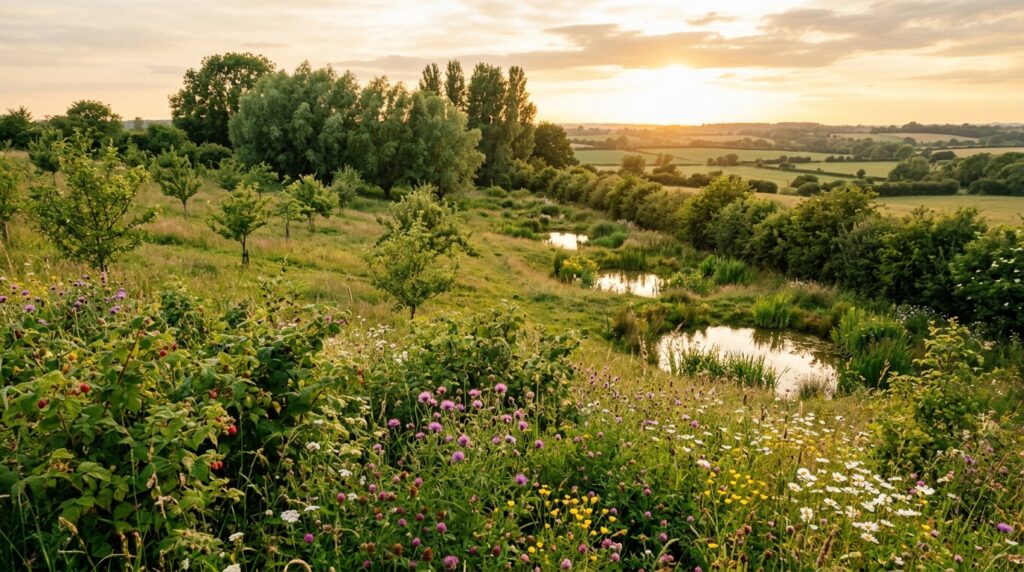
Biodiversity Net Gain (BNG) is a mandatory planning requirement in England under the Environment Act 2021, which became legally binding for major developments in February 2024. The law dictates that housing developers, industrial builders, and infrastructure providers must deliver a measurable 10% increase in biodiversity relative to their pre-development baseline. When this uplift cannot be achieved on-site, developers must buy off-site BNG units from approved habitat banks. Calculated via Natural England’s Statutory Metric, these units must be legally secured for a minimum of 30 years before a Local Planning Authority can finalise planning consent.
The Bottleneck of Standardised Commodity Units
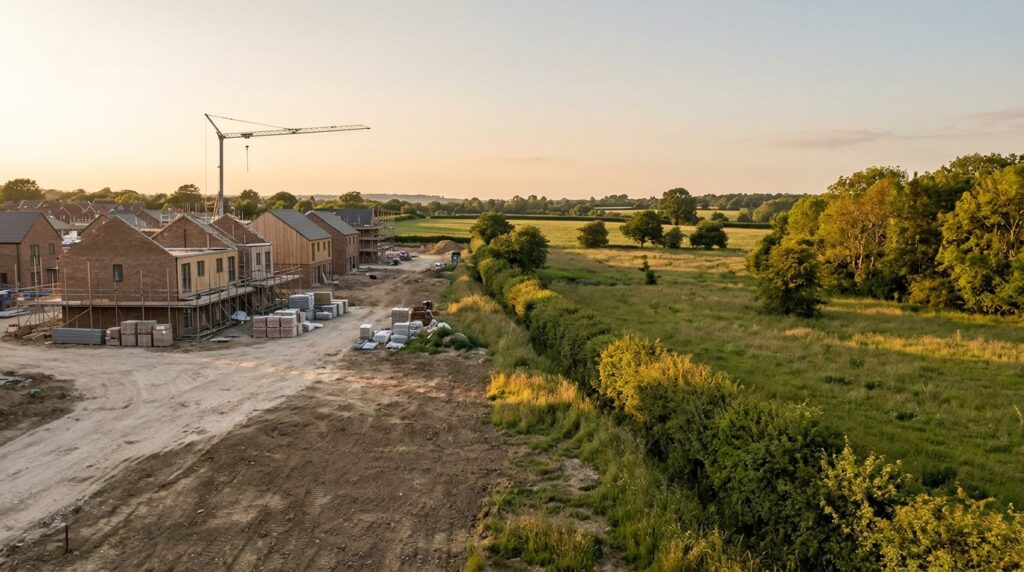
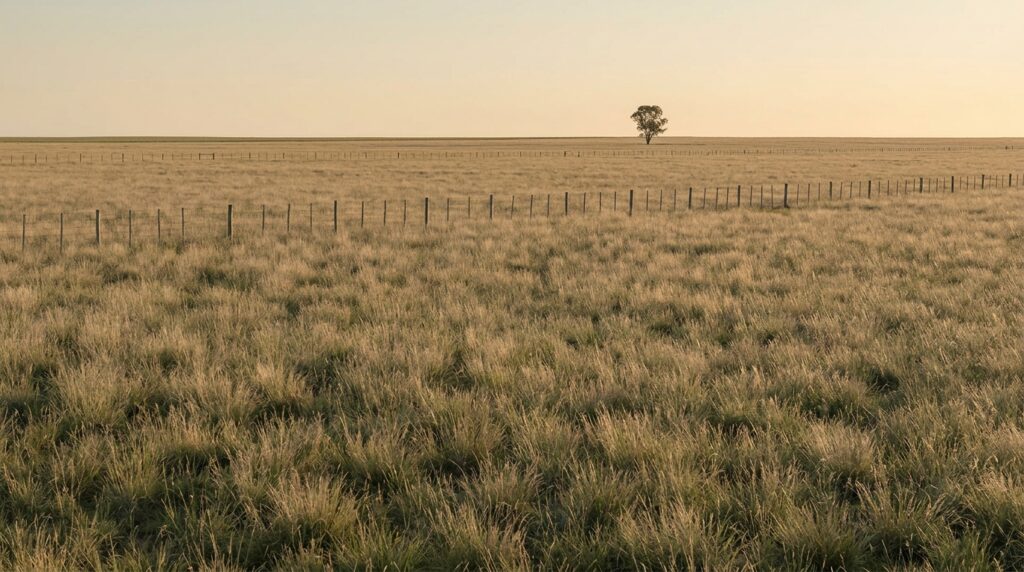
The emerging off-site market faces a critical structural issue. Driven by a rush for simple delivery, the vast majority of available BNG units have become heavily standardised, relying almost exclusively on low-to-medium distinctiveness habitats like basic grassland and scrub.
While these "commodity" units are abundant, they frequently fail to meet the strict trading rules required for complex developments. Under statutory guidelines, if your project impacts higher-value or complex environments, basic grassland offsets cannot legally satisfy your obligations. This oversupply of standard units leaves developers struggling to source the scarce, high-distinctiveness alternatives required to unlock delayed planning approvals and mitigate compliance risks.
The Solution: High-Distinctiveness Structural Agroforestry
Clo Carbon Cymru offers an engineered alternative to the passive, change-of-management schemes that dominate the BNG market.
Rather than simply letting uniform fields grow wild or allowing ancient woodlands to tumble-down into scrub, we design agroforestry systems that encourage low-input silvicultural interventions to compress maximum ecological volume into a single system.
Our agroforestry systems are designed specifically to accommodate the natural life-cycle of honey bees - the life they enjoyed before man decided to tame them from their natural home in tree cavities. The design goes beyond the provision of pollen and nectar to consider the important, and often overlooked, requirement of propolis. Specific tree species, notably black poplar hybrids and native willows, have been included to provide the resins that ‘worker bees’ need to manufacture propolis.
Furthermore, the design completely abandons the notion of modified commercial beehives, opting instead for specialised designs that mimic natural tree cavities - These custom units feature hemp wool insulation to mimic a natural hollow microclimate, with smart sensors installed directly inside the core of each hive to log live humidity, temperature, and colony sound frequencies.
Every Layer by Design
Every additional ecological benefit across the wider site is a planned and deliberate result of this knowledgeable design process. By integrating coppiced willow and pollarded poplar, we create a dynamic, multi-tiered structure of distinct canopy, shrub, and ground layers that maximises vertical habitat space. This structural diversity significantly optimises habitat value for small mammals, resident and migratory birds and invertebrates. Specialised micro-habitats are provided to encourage colonisation of lichen, mosses and fungi, most often the classifications that are most under-recorded within nature-based accounting frameworks.
By actively cutting rides and scallops into the layout, we generate crucial sunny edge-habitats specifically designed to support vulnerable UK butterfly species. To secure this habitat baseline, the site is amended at establishment with biochar, which improves soil moisture retention while anchoring stable biological carbon within the substrate.
Resilience Built into the Landscape
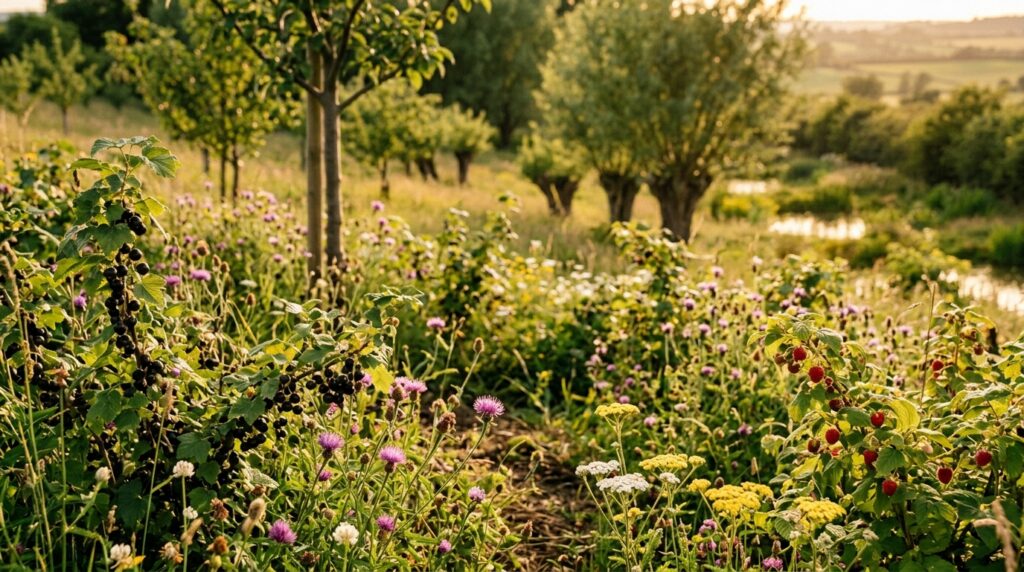
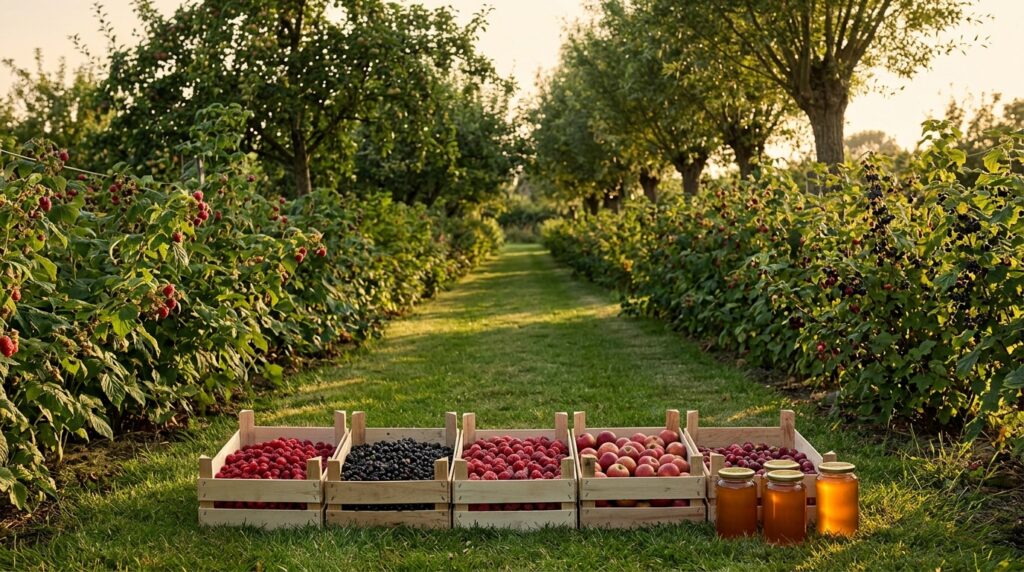
Crucially, this active design directly addresses the vulnerabilities exposed by climate breakdown, where escalating environmental shocks are already fracturing conventional, supermarket-dominated food supply chains. Rather than removing agricultural land from production, our systems are engineered to fortify regional resilience by establishing short, decentralised local food pathways. By embedding productive berry alleys and heritage orchards into the managed silvicultural footprint, host landowners can harvest high-value fruit crops and limited volumes of premium honey for direct distribution to local markets.
In ecological terms, this active management delivers a dense, structurally complex ecosystem that satisfies strict statutory trading rules, providing developers with scarce, high-value units to secure immediate planning consent
Explore BNG With Us...
Partnerships established now secure both preferential access & terms for BNG procurement.